Tattoos
The Art, Science, and Culture of Tattoos
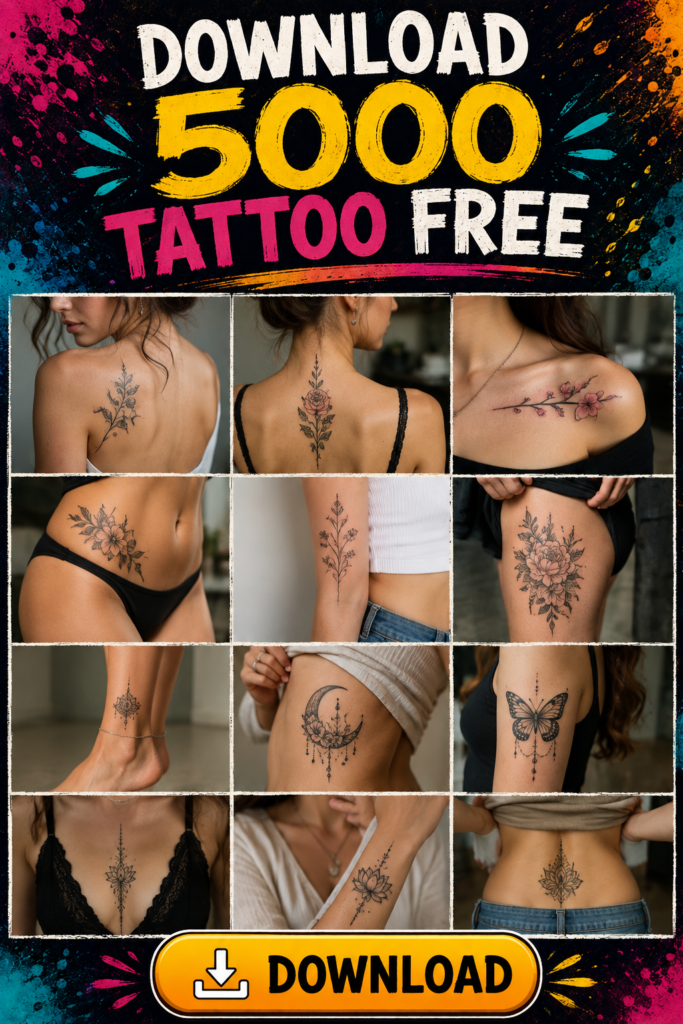
Tattoos are one of humanity’s oldest and most enduring forms of visual self-expression. Far beyond a passing aesthetic trend, body art serves as a living canvas—a medium through which people commemorate personal milestones, express cultural identity, honor loved ones, or simply embrace fine art on their skin.
Whether you are contemplating your first piece, planning a full sleeve, or interested in the technical mastery behind the needle, understanding the historical depth, anatomical mechanics, and safety principles of tattooing is essential.
1. History and Cultural Significance
Tattooing is an ancient global tradition spanning thousands of years, evolving independently across cultures on every inhabited continent.
- Ancient Beginnings: The oldest known physical evidence of body art belongs to Ötzi the Iceman, a mummy preserved in the Alps dating back to approximately 3300 BCE. Ötzi possessed 61 distinct line tattoos, primarily situated around his joints, leading historians to believe they served a therapeutic or medicinal purpose akin to early acupuncture.
- Cultural Identity and Sacred Rites: In Polynesian cultures, tatau was a sacred rite of passage that conveyed social standing, tribal lineage, and spiritual protection. Similar traditions flourished among Indigenous American tribes, ancient Egyptian priestesses, and the Ainu people of Japan.
- Modern Resurgence: Brought to Western prominence by 18th-century sailors who encountered indigenous body art in the Pacific Islands, tattooing transitioned through 20th-century subcultures before establishing itself as a respected modern art form.
2. The Science: How Ink Stays Permanent
To understand why a tattoo remains on the body permanently, you must look at the structural layers of human skin.
+-----------------------------------------------------------------------+
|                         SKIN LAYER DEPTH                              |
|                                                                       |
|  EPIDERMIS (Outer Layer) ──► Continuously sheds cells (Tattoo fades)  |
|                                                                       |
|  DERMIS (Middle Layer)   ──► Target depth for ink (Permanent placement)|
|                                                                       |
|  HYPODERMIS (Fat Layer)  ──► Too deep (Causes ink "blowouts")         |
+-----------------------------------------------------------------------+
The Immuno-Response
When a tattoo needle punctures the skin, it bypasses the outer epidermis—which continuously sheds dead skin cells—and deposits pigment directly into the dermis.
Because the micro-needles create thousands of tiny punctures, your body triggers an immediate immune response:
- White blood cells called macrophages rush to the site to consume and clear away foreign particles.
- The pigment particles in tattoo ink are far too large for the macrophages to break down.
- The macrophages become trapped in the dermis layer, holding the ink in place.
- As the skin heals, the pigment remains visible through the translucent upper epidermis.
3. Major Tattoo Styles Explained
Modern body art encompasses a broad spectrum of artistic genres. Every style requires distinct linework techniques, shading approaches, and color application.
| Style | Defining Characteristics | Best For |
| Traditional (Old School) | Bold black outlines, limited primary color palette, iconic imagery (anchors, daggers, roses). | Timeless designs that age exceptionally well over decades. |
| Realism & Micro-Realism | Soft shading without harsh outlines, photo-accurate portraits, depth, and fine texture detail. | Portraits, wildlife, and natural landscapes. |
| Fine Line / Minimalist | Ultra-thin lines created using single needles or small needle groupings. | Subtle script, delicate florals, and geometric concepts. |
| Japanese (Irezumi) | Sweeping large-scale compositions featuring dragons, koi fish, and waves with background wind bars. | Full sleeves, back pieces, and full-body suits. |
| Blackwork | Heavy application of solid black ink, geometric patterns, and negative space framing. | Bold graphic statements, mandalas, and cover-up tattoos. |
4. Pain Factors and Body Placement
Tattoo pain varies based on individual tolerance, but placement relative to nerve density, muscle cushion, and bone structure plays a primary role.
+--------------------------------------------------------------------+
|                         TATTOO PAIN CHART                          |
|                                                                    |
|  LOW PAIN           MEDIUM PAIN          HIGH / SEVERE PAIN        |
|  • Outer Bicep      • Forearm            • Ribcage & Sternum       |
|  • Outer Thigh      • Calves             • Hands, Feet & Ankles    |
|  • Glutes           • Shoulders          • Spine & Back of Knees   |
+--------------------------------------------------------------------+
Key Considerations for Placement
- Low Pain Areas: Outer arms, outer thighs, and calves feature thicker skin, muscle cushion, and lower nerve concentration, making them ideal for first-time sessions.
- High Pain Areas: Ribs, sternum, spine, hands, and feet feature thin skin directly over bone and a high concentration of nerve endings.
- Fading Factors: Hands, fingers, and feet experience high skin cell turnover and constant friction, requiring more frequent touch-ups over time compared to protected areas like the upper arm or thigh.
5. Essential Safety and Aftercare
A successful tattoo relies 50% on the artist’s technique and 50% on proper client aftercare.
Studio Health Standards
Always ensure your studio meets non-negotiable hygiene requirements:
- Needles must be single-use and opened from factory-sealed blister packs directly in front of you.
- All work surfaces, machines, and cords must be wrapped in fresh plastic barrier film.
- The artist must wear medical-grade nitryl gloves and possess local health department licensing.
Core Aftercare Steps
- Keep it Clean: Gently wash the fresh tattoo 2–3 times daily with warm water and fragrance-free antibacterial soap. Pat dry with clean paper towels—never scrub.
- Moisturize Lightly: Apply a very thin layer of specialized tattoo ointment or unscented lotion. Over-moisturizing traps heat and bacteria, slowing the healing process.
- Do Not Pick or Scratch: As the tattoo heals, it will flake like a mild sunburn. Let dead skin fall off naturally to prevent pulling pigment out of the dermis.
- Protect from UV Rays: Avoid direct sunlight and submersion in pools, hot tubs, or ocean water for at least 3 weeks while healing. Once fully healed, apply SPF 50 sunscreen daily to prevent premature fading.